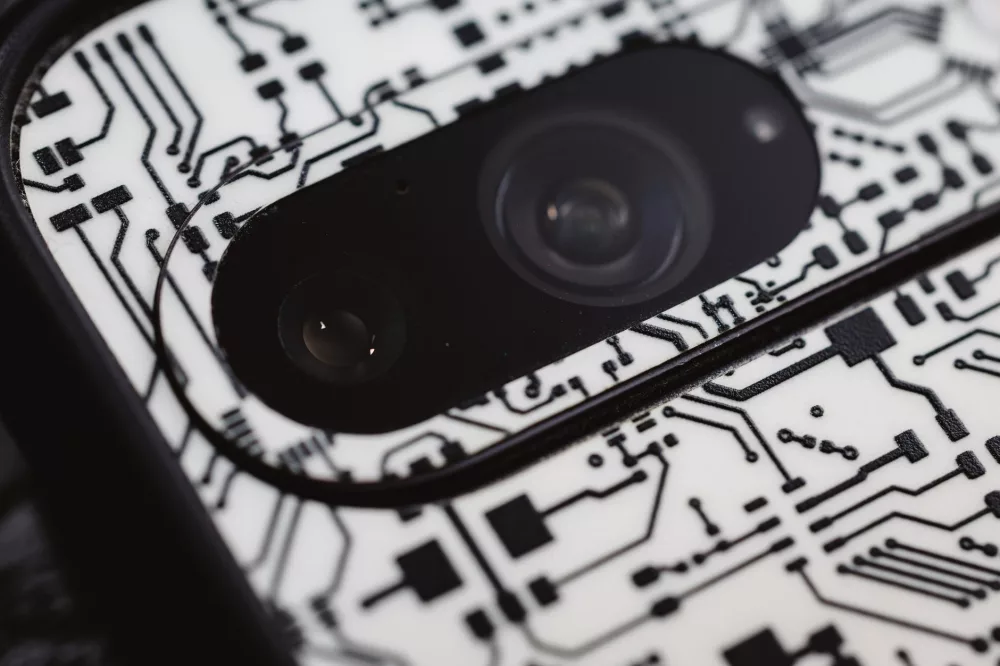
Have you ever held an electronic gadget and thought, 'This would be so much cooler with my company logo,' or 'I wish this had a unique design that truly reflects me'? Well, you're in luck! The world of "elektronik gadgets bedrucken" – printing on electronic gadgets – is not only real but incredibly versatile. It's a field I find genuinely exciting because it perfectly blends technology with personal expression or powerful branding.
Why Bother Printing on Electronic Gadgets?
For me, the reasons are pretty clear and compelling. First, there's the undeniable allure of personalization. In an age where so many things are mass-produced, having something that's uniquely yours really stands out. Think about it for a second: a smartphone case with your favorite artwork, a power bank sporting your initials, or even a pair of headphones emblazoned with a custom pattern. It makes the item feel more special, doesn't it?
But it's not just about individual preference. From a business perspective, the benefits are even more significant. Printing on electronic gadgets opens up a massive avenue for:
- Brand Visibility: Imagine your logo on hundreds or thousands of power banks, USB drives, or Bluetooth speakers, given out at a conference. That's consistent brand exposure!
- Corporate Gifting: Instead of generic corporate gifts, a high-quality, branded electronic item makes a lasting impression on clients, partners, or employees. It shows thoughtfulness and appreciation.
- Promotional Items: These aren't just trinkets; they're useful tools that people carry and use daily. Every time they use it, they're reminded of your brand.
- Product Differentiation: If you're selling electronic accessories, custom prints can help your products stand out in a crowded market.
I've seen firsthand how a well-executed print can transform a simple gadget into a powerful marketing tool or a cherished personal item.
The Gadgets We're Talking About
When I talk about electronic gadgets, I'm thinking pretty broadly. We're not just limited to flat surfaces; modern printing techniques allow for incredible versatility. Here are some common items that get the custom print treatment:
- Smartphones & Tablets: While often cases are printed, direct printing on the device body (especially backs) is totally possible.
- Power Banks: These are incredibly popular for branding due to their useful nature and typically flat, easy-to-print surfaces.
- USB Drives: Small, portable, and always needed. Perfect for a subtle logo or intricate design.
- Bluetooth Speakers & Headphones: Branding these can turn them into stylish accessories.
- Smartwatches: Often the bands or the casing can be customized.
- Charging Docks & Adapters: Functional items that become branded touchpoints.
- Computer Mice & Keyboards: For a personalized workstation.
The list really goes on, covering almost any small to medium-sized electronic device you can imagine.
Unpacking the Printing Techniques
This is where things get really interesting for me. The choice of printing method is absolutely critical because it impacts the durability, look, and even the cost of your custom gadget. I've worked with several, and each has its strengths.
UV Printing: My Go-To for Vibrant Colors
UV printing is, in my opinion, one of the most versatile methods available for electronic gadgets. Here's why:
- How it Works: It uses special inks that are immediately cured (hardened) by ultraviolet light as they are printed. This means the ink dries instantly.
- Advantages: You get incredibly vibrant, full-color prints, even on dark surfaces, thanks to the ability to print a white base layer. It adheres well to a wide range of materials – plastics, metals, glass, ceramics, and more. Plus, it's pretty durable and offers a slightly raised, tactile finish. I find it excellent for detailed graphics and photographic quality images.
- Considerations: While durable, it's not indestructible. Extremely sharp impacts or harsh solvents can damage the print over time.
Pad Printing: Great for Those Tricky Curves
When we're dealing with irregular or curved surfaces, pad printing often saves the day. I see this used a lot for items that aren't perfectly flat.
- How it Works: An image is etched into a printing plate (cliché), then a silicone pad picks up the ink from the etched area and transfers it to the object.
- Advantages: Its flexibility allows it to conform to curved, irregular, or textured surfaces beautifully. It's precise and offers excellent adhesion on many different materials. It's also often used for smaller, single-color logos or text.
- Considerations: Typically limited to one or two colors per pass, which can make multi-color designs more complex and time-consuming.
Laser Engraving: When You Want Something That Really Lasts
For a truly premium and enduring finish, especially on metal or certain plastics, laser engraving is an unbeatable option. I often recommend this for high-value items.
- How it Works: A high-powered laser beam removes a thin layer of the material's surface, creating a permanent mark. It's essentially etching the design into the gadget.
- Advantages: The mark is incredibly durable, resistant to wear, fading, and solvents. It provides a sophisticated, tactile finish that won't rub off. It's perfect for logos, serial numbers, and intricate text.
- Considerations: It's usually a monochromatic process, meaning the color of the engraving is determined by the material beneath the surface layer. It's not suitable for full-color images.
Other Methods (Briefly):
Sometimes, we might see screen printing for flatter, larger areas or certain cases, but it's less common for direct gadget printing due to the intricate shapes. Sublimation is fantastic for fabrics or specially coated items, but not typically for direct application on most electronic gadget surfaces.
The Material Matters: It's Not Just About the Ink, You Know
Understanding the material of the gadget is just as important as choosing the right printing technique. Different plastics (ABS, PC, PVC), metals (aluminum, steel), glass, and silicone react very differently to inks and lasers. For instance, UV ink adheres incredibly well to many plastics, but for a mirror-polished metal, laser engraving or a specialized adhesion promoter for UV might be necessary. I always insist on knowing the material composition to ensure the best possible outcome.
Getting Your Design Ready: This is Where Planning Really Pays Off
Before any ink touches a gadget, the design needs to be perfect. Trust me, overlooking these details can lead to headaches and wasted resources. I usually emphasize a few key points:
- File Formats: Vector graphics (AI, EPS, SVG, PDF) are king here. They scale infinitely without losing quality, which is crucial for sharp logos and text. If you're using raster images (JPG, PNG, TIFF), they need to be high resolution.
- Color Accuracy: If color is critical for your brand, communicate using Pantone (PMS) color codes. This ensures consistent color reproduction across different prints and materials, something a standard CMYK print might not always achieve perfectly.
- Placement & Size: Consider the gadget's ergonomics and where the print will look best without being obscured or feeling out of place.
- Durability: Think about how the gadget will be used. A print on the back of a phone case might need more durability than one on a static charging dock.
Choosing a Service Provider: Don't Just Go With the Cheapest Option
This is a big one. The quality of the final product hinges almost entirely on the expertise and equipment of the printing company you choose. Here’s what I typically look for:
- Experience & Portfolio: Have they worked on similar gadgets before? Can they show examples of their work?
- Equipment: Do they have the appropriate printing machines for your desired technique and materials?
- Quality Control: What's their process for ensuring consistent quality across an entire batch?
- Customer Service: Good communication is vital. You want a provider who's responsive and transparent.
- Turnaround Time & Cost: These are practical considerations, of course, but I always balance them against quality.
A reputable provider will offer samples, provide expert advice, and clearly explain the process and potential limitations.
Real-World Use Cases: Where Do We Actually See This in Action?
The applications are incredibly diverse. I've seen custom-printed gadgets used for:
- Employee Welcome Kits: Branded USB drives or power banks for new hires.
- Trade Show Giveaways: Affordable branded earbuds or phone stands to attract visitors.
- Client Appreciation Gifts: High-end, laser-engraved Bluetooth speakers for valued clients.
- Product Launches: Custom-designed promotional tech related to the new product.
- Personalized Gifts: Unique items for birthdays, anniversaries, or special occasions.
- Merchandise: Retailers selling branded phone accessories or gaming gear.
Each use case emphasizes the blend of utility and personalized branding.
Keeping it Looking Good: Durability and Care
Nobody wants a print that fades or scratches off quickly. The durability of your print depends heavily on the printing method and the surface material. UV prints, for example, are quite robust, but they aren't impervious to everything. Laser engravings are virtually permanent. I usually advise gentle cleaning with a soft cloth and avoiding harsh chemical cleaners, especially for UV prints, to help maintain the integrity of the design for as long as possible.
The Road Ahead: What's Next in Gadget Printing?
Looking to the future, I anticipate even more sophisticated adhesion technologies, eco-friendly inks, and perhaps even more integration with advanced manufacturing processes like 3D printing. The ability to print intricate textures or even conductive inks directly onto gadgets could open up entirely new possibilities for functional design. It's an evolving space, and that's what makes it so exciting.
Ultimately, whether you're looking to elevate your brand, create memorable promotional items, or simply add a touch of your own personality to your daily tech, printing on electronic gadgets offers a fantastic, effective, and increasingly accessible solution. It's about making our technology not just functional, but truly ours.