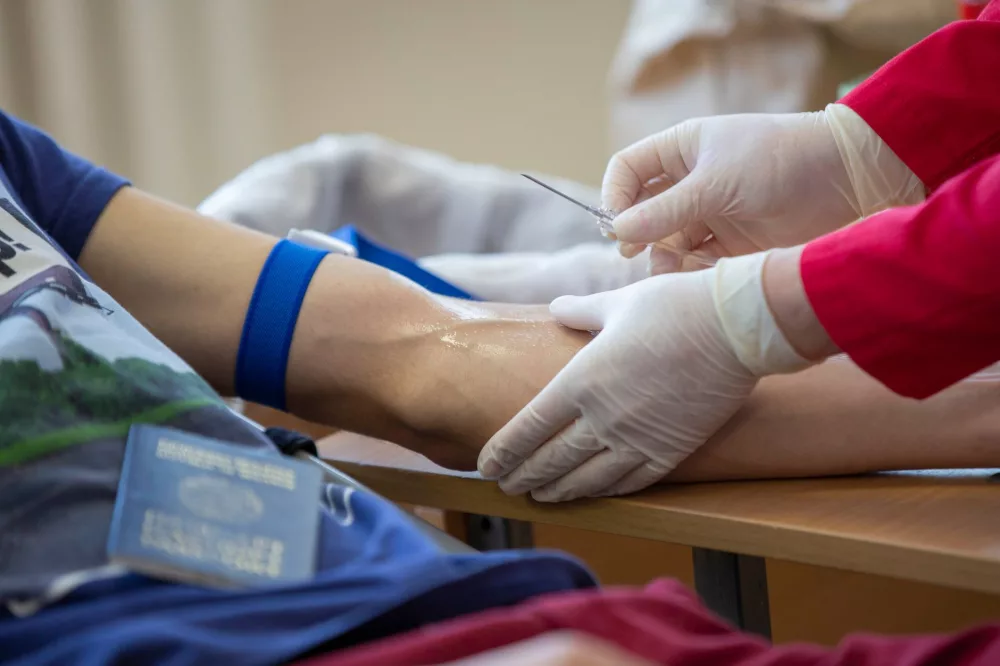
Have you ever thought about a career in healthcare that doesn't require years of schooling but still puts you right at the heart of patient care? I know I have, and for many, becoming a phlebotomist is that perfect entry point. It's a vital role, truly, and finding phlebotomy classes near me was a journey I want to help you navigate too. This isn't just about drawing blood; it's about connecting with people, ensuring accurate diagnostics, and being a crucial link in the medical chain. It's a role with real impact.
What Exactly is Phlebotomy, Anyway?
So, what's a phlebotomist do? Essentially, you'll be the one expertly drawing blood samples from patients for various tests, transfusions, donations, or research. But don't let that simple description fool you. There's a real art and science to it. We're talking about knowing anatomy, understanding venipuncture techniques, proper specimen handling, and, most importantly, patient care and safety. It's a skill that requires precision, empathy, and a steady hand. I've seen firsthand how a calm phlebotomist can make all the difference to an anxious patient.
Think about it: every lab test starts with a sample, and often, that sample is blood. Without skilled phlebotomists, doctors couldn't get the information they need to diagnose conditions, monitor treatments, or even perform life-saving transfusions. We're talking about a profession that's absolutely foundational to modern medicine, and it's something you can train for in a relatively short amount of time.
Why Consider a Career in Phlebotomy?
There are a bunch of compelling reasons to look into phlebotomy, and honestly, they're pretty attractive. First off, the demand for healthcare professionals, including phlebotomists, is consistently strong. The Bureau of Labor Statistics projects a healthy growth rate for this occupation, which means good job prospects for qualified individuals. That's reassuring, isn't it?
Secondly, the training period is relatively short compared to many other healthcare professions. You can often complete a program in a matter of months, sometimes even weeks, getting you into the workforce much faster. That's a huge plus if you're eager to start earning and contributing. Then there's the direct patient interaction. If you're someone who genuinely enjoys helping people and thrives in a dynamic environment, you'll likely find this aspect incredibly rewarding. Plus, it can be a fantastic stepping stone to other healthcare careers, like nursing or medical assisting, giving you invaluable clinical experience early on. It really opens doors!
Who Thrives as a Phlebotomist?
- Compassionate individuals: You'll be working with people who might be nervous, ill, or in pain. Empathy goes a long, long way.
- Detail-oriented folks: Accurate labeling, proper technique, and following protocols are non-negotiable for patient safety and diagnostic reliability.
- Good communicators: Explaining procedures, calming fears, and building rapport are essential parts of the job.
- Those with a steady hand: Precision is key when it comes to venipuncture.
- Quick learners: There's a lot to absorb in a short time, both theoretical knowledge and practical skills.
How Do I Start My Search for Phlebotomy Classes Near Me?
Okay, so you're interested. Great! Now comes the practical part: finding those classes. This is where my own experience comes in handy. My first step was always a simple, targeted online search. I'd punch in phrases like "phlebotomy training programs near [my city/zip code]" or "phlebotomy certification classes [my state]". This usually brings up a good starting point.
But don't stop there! Online searches are just the beginning. I've found it's super helpful to also check out the websites of various local institutions. Here's a rundown of where you're most likely to find reputable programs:
- Community Colleges: These are often fantastic options. They usually offer comprehensive programs, sometimes with evening or weekend classes, and their tuition tends to be more affordable than private institutions. Plus, they're typically well-connected with local healthcare facilities for externship opportunities.
- Vocational Schools/Technical Institutes: These schools specialize in career-focused training. They often have very hands-on curricula designed to get you job-ready quickly. Their programs are specifically tailored for vocational skills, making them a very practical choice.
- Private Healthcare Training Centers: You'll find a fair number of these. They can offer accelerated programs, which is appealing if you're looking to get certified fast. Just be sure to do your homework and check their accreditation and reputation.
- Hospitals or Medical Labs: Sometimes, larger healthcare systems or labs offer their own phlebotomy training programs, occasionally even with a job guarantee upon successful completion. These can be highly competitive but offer direct routes into employment.
When you're looking, pay close attention to the details. What kind of certification do they prepare you for? What's their pass rate for certification exams? Are externships included? These questions are really important for your future success, so jot them down!
What to Look For in a Quality Phlebotomy Program
Not all programs are created equal, and knowing what to prioritize will save you a lot of headache down the line. I always tell people to focus on a few key areas:
Accreditation is Non-Negotiable
This is probably the single most important factor. An accredited program means it meets specific standards of quality and prepares you for national certification. Without accreditation, your certificate might not be recognized by employers or national certification bodies. Look for accreditation from agencies like the National Accrediting Agency for Clinical Laboratory Sciences (NAACLS) or similar reputable organizations. It really gives your credentials weight.
Comprehensive Curriculum and Hands-On Experience
A good program will balance classroom theory with extensive practical training. You'll want to learn about:
- Anatomy and physiology related to venipuncture
- Medical terminology
- Safety procedures and infection control
- Different venipuncture techniques (vein selection, equipment use)
- Specimen handling and processing
- Patient identification and preparation
- Legal and ethical considerations
Critically, the program must include practical experience, often in a simulated lab environment, followed by a clinical externship. You need to perform a significant number of successful venipunctures on actual patients under supervision to gain proficiency and confidence. This practical component is absolutely essential for feeling ready for the job.
Experienced Instructors
Your instructors should be experienced phlebotomists or other healthcare professionals with a solid background in the field. They should be able to share real-world scenarios and guide you through the intricacies of the job, not just read from a textbook. I found that instructors who had worked in various settings offered the most valuable insights.
Program Length and Cost
Phlebotomy programs can vary quite a bit in length, from a few weeks (for accelerated programs) to several months. The cost will also differ depending on the institution, location, and program duration. Be sure to get a clear breakdown of all costs, including tuition, lab fees, textbooks, and supplies. Don't forget to ask about financial aid options or payment plans, because many schools do offer them.
Certification: Your Gateway to Employment
While some states might not mandate certification for phlebotomists, most employers certainly prefer and often require it. Getting certified shows that you've met a nationally recognized standard of competence. It significantly boosts your employability and can even impact your earning potential. I can't stress enough how important this step is!
Major certification bodies include:
- National Phlebotomy Association (NPA)
- American Society for Clinical Pathology (ASCP) Board of Certification (BOC)
- National Healthcareer Association (NHA)
- American Medical Technologists (AMT)
Make sure the program you choose prepares you specifically for one of these reputable national certification exams. You'll typically need to pass an exam and often demonstrate a certain number of successful venipunctures during your training or externship to qualify. It's a challenging but very achievable goal that really pays off.
The Career Outlook and What to Expect
Once you're certified, where can you work? The great news is that phlebotomists are needed in a wide variety of settings. You'll find opportunities in:
- Hospitals (the most common employer)
- Clinical laboratories
- Doctor's offices and clinics
- Blood donation centers
- Nursing homes and long-term care facilities
- Public health agencies
The daily routine can vary quite a bit depending on your workplace. In a hospital, you might be drawing blood from many patients throughout the day, often on different floors, and sometimes in emergency situations. In a doctor's office, it might be a more consistent flow of scheduled appointments. Blood donation centers have their own rhythm, focusing on donor care and large-volume draws. It's a job that keeps you on your toes and rarely feels monotonous.
My Best Advice for Aspiring Phlebotomists
Look, if you're serious about this, you've got to commit. Here's what I'd recommend:
- Be Prepared to Study: Even though it's a shorter program, there's a lot of information to absorb quickly.
- Practice, Practice, Practice: Take every opportunity to practice your technique in a controlled environment before you start on actual patients. Simulation labs are your friend!
- Develop Your Soft Skills: Communication, empathy, and professionalism are just as important as your technical skills. Patients remember how you made them feel.
- Network: Connect with your instructors and externship supervisors. They can be invaluable resources for job leads and recommendations.
- Stay Current: Healthcare changes constantly. Be open to continuing education and learning new techniques or protocols.
Finding phlebotomy classes near me was the first step on a truly rewarding career path for many, and I have no doubt it can be for you too. It's a demanding but incredibly satisfying job, knowing that your precision and care directly contribute to patient health. So, start your search, ask those tough questions, and get ready to embark on a career where you genuinely make a difference every single day.