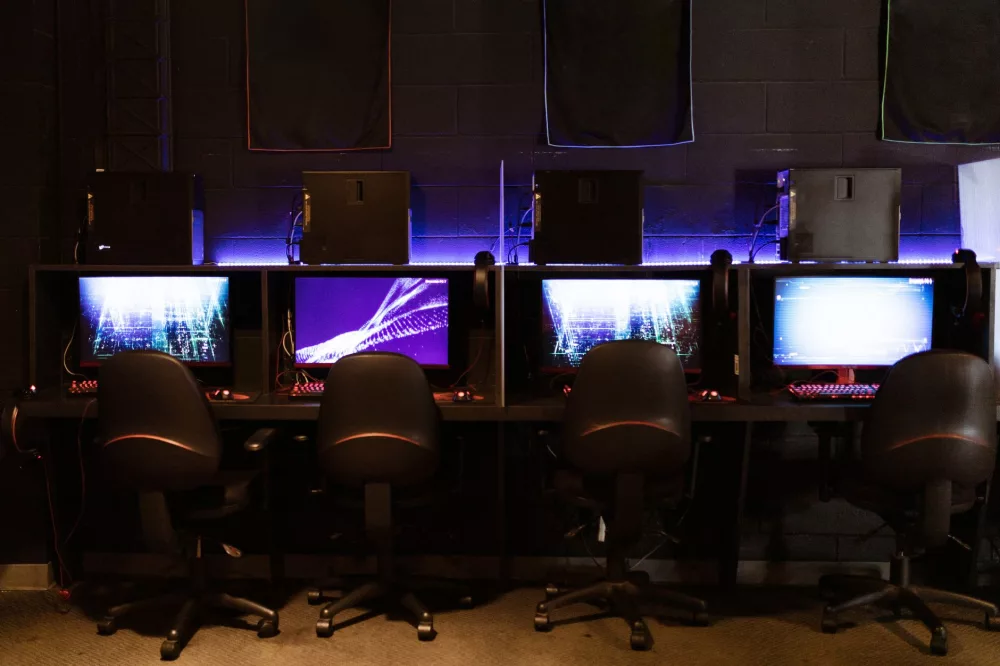
When you hear the phrase "PC room," what instantly springs to mind? For some, it might be the hum of dozens of computers in a dimly lit internet café, a haze of cigarette smoke (back in the day, of course!), and the intense concentration of gamers. Others might picture a school computer lab, rows of identical monitors awaiting eager students, or maybe even a sleek, high-tech corporate training center. And then, for many of us, it's that intensely personal space we carve out at home: our own gaming den or productivity hub. Regardless of the specific image, the concept of a dedicated PC room, in all its varied forms, holds a unique and enduring place in our digital landscape. I've always been fascinated by these spaces, and I think their evolution tells a really interesting story about how we interact with technology.
The Golden Age of Internet Cafes and Gaming Hubs
Remember the late 90s and early 2000s? That was truly the heyday for what most folks considered a "PC room" – the internet café. Before broadband was ubiquitous in every home, these places were absolute lifesavers. You could pop in, pay by the hour, and suddenly you had access to the world wide web. It wasn't just for checking email; it was a social space. People would gather to chat on ICQ or MSN Messenger, conduct research for school projects, or, let's be real, primarily to play games. I remember spending countless hours in places like that, huddled with friends, screaming strategies over the din of clicking keyboards and whirring fans during a heated Counter-Strike match. It was an experience you just couldn't replicate at home if you didn't have the hardware or the internet connection.
These establishments weren't just about access; they fostered a community. You'd see regulars, form rivalries, and celebrate victories together. They were often noisy, sometimes a bit chaotic, but always vibrant. The competitive gaming scene, especially in places like South Korea, absolutely exploded because of these dedicated gaming PC rooms, often called 'PC Bangs.' They were, and still are, incredibly sophisticated setups, boasting cutting-edge hardware and blistering fast internet speeds, making them the perfect training ground for aspiring esports professionals and a fantastic spot for casual gamers alike. It's kinda wild to think how much of modern gaming culture started there, isn't it?
Beyond Gaming: Educational and Professional PC Rooms
Of course, PC rooms aren't solely the domain of gamers or casual internet surfers. They play a crucial role in education and professional development too. Think about school computer labs – those are quintessential PC rooms. They provide students with access to software and resources they might not have at home, from word processing suites to specialized CAD programs or programming environments. I bet most of us learned to type, or at least navigated our first spreadsheets, in one of these labs. They're designed for learning, often with network monitoring tools that help teachers guide students and keep them on task. It's a completely different vibe from a gaming café, but equally important.
Similarly, in the corporate world, you'll find dedicated PC rooms for training, presentations, or even specialized departments that require powerful workstations. These might be quieter, more sterile environments, but their function is clear: to provide a standardized, high-performance computing environment for specific tasks. Imagine an architectural firm needing a room full of powerful machines running Revit or AutoCAD, or a media company with a suite of PCs for video editing. These aren't just collections of computers; they're designed systems, often managed centrally, ensuring consistency and efficiency across the board. They're critical for productivity and skill development.
The Modern Home PC Room: Our Personal Digital Sanctuaries
Now, let's shift focus to what many of us consider our ultimate PC room: the one we build at home. With the affordability of high-speed internet and powerful personal computers, many enthusiasts have created their own dedicated spaces. This is where personal preference really shines. My own home setup, for example, is a carefully curated space. It's got the ergonomic chair, the ultrawide monitor, a mechanical keyboard that clicks just right, and a PC I built myself, tailored specifically for my gaming and productivity needs. These aren't just desks with computers; they're personal sanctuaries. It's where we work, play, create, and connect with the world.
A well-thought-out home PC room often involves careful cable management, ambient lighting, soundproofing (or at least sound-dampening), and climate control to keep those powerful components cool. We invest in peripherals, from high-refresh-rate monitors to premium headphones and webcams, transforming a simple corner into a command center. For many, it's a significant investment, both financially and in terms of time spent customizing it just so. It reflects our hobbies, our professions, and our personality. It’s where creativity flows and where epic digital battles are fought. We take immense pride in these spaces, don't we?
What Makes a Great PC Room? Infrastructure and Considerations
Whether it's a commercial establishment or a personal setup, several core elements define a good PC room. First and foremost is the hardware itself. You need reliable, powerful machines. For gaming or demanding professional tasks, that means robust CPUs, ample RAM, and top-tier graphics cards. Internet connectivity is absolutely non-negotiable; low latency and high bandwidth are essential for everything from competitive online gaming to cloud-based work. I can't stand a laggy connection when I'm trying to get things done, or worse, when I'm in a crucial online match!
- Ergonomics: This is seriously underrated. Good chairs, properly positioned monitors, and comfortable keyboards and mice prevent strain and allow for longer, more productive sessions. Nobody wants a crick in their neck after an hour.
- Power Management: A robust electrical system is key. Multiple powerful PCs draw a lot of juice, so proper wiring, surge protectors, and potentially even uninterruptible power supplies (UPS) are vital, especially in commercial settings, to prevent data loss during outages.
- Cooling and Ventilation: All that powerful hardware generates heat. Effective air conditioning, proper airflow, and well-designed case cooling are crucial to prevent overheating and maintain optimal performance and hardware longevity.
- Network Infrastructure: High-speed routers, switches, and structured cabling ensure that all machines get a stable and fast connection, minimizing bottlenecks.
- Software and Security: Up-to-date operating systems, necessary applications, antivirus software, and robust firewalls are essential. In public PC rooms, robust disk imaging and restoration systems are common to ensure a clean slate for each new user, preventing malware and maintaining consistency.
These considerations, while often invisible to the casual user, are the backbone of any functional PC room. Without them, even the most expensive hardware would fall short.
The Evolution and Future of PC Rooms
The PC room concept has certainly evolved. With the rise of cloud computing and remote work, some might argue that the need for communal or specialized PC rooms is diminishing. Why go to a café when you have fiber at home? Why use a lab when you can access virtual machines? I think that's a fair question, but I also believe it misses a crucial point: the social and experiential aspect. While cloud gaming is impressive, there's still a unique thrill in being physically present with friends, sharing the same space, and experiencing a game together. Esports arenas, which are essentially highly specialized, large-scale PC rooms, are still thriving.
For education and corporate use, dedicated PC rooms will likely continue to exist for specialized training, secure environments, or when specific hardware (like VR setups or specialized engineering workstations) is required. And as for our home setups? They're only going to get more sophisticated, more personalized, and more integrated into our smart homes. We're constantly chasing that perfect blend of aesthetics, performance, and comfort. The PC room, in its various guises, isn't going anywhere. It might change shape, embrace new technologies, and adapt to our evolving digital lives, but its fundamental purpose – to provide a dedicated, optimized space for computing – will remain. It’s a testament to our ongoing connection with technology, isn't it? A space to explore, create, and conquer. I'm excited to see what comes next for these incredible digital havens.